

Open-ended choice-making which encourages expressive language, vocabulary expansion,...
Find It > Curated by Michelle Moyal, M.S., CCC-SLP. Every item on this list is hand-selected based on 15+ years of clinical experience helping late talkers and children with Apraxia.

Flashlight: Joint Attention Book for Speech Therapy & Early Language
Supports joint attention and early labeling through interactive...
Find It >
Spot Goes to the Farm
Lift-the-flap books can build joint attention, turn-taking, and...
Find It >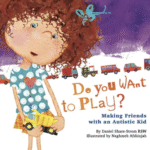
Do You Want to Play?: Making Friends with an Autistic Kid
Builds social skills, friendship understanding, and autism awareness...
Find It >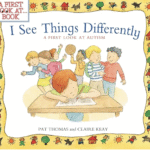
I See Things Differently: Helping Kids Understand Autism and Neurodiversity
Supports autism awareness, perspective-taking, and social communication development...
Find It >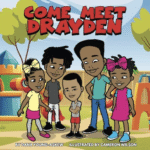
Come Meet Drayden: Autism Awareness Book for Speech Therapy & Social Communication
Supports autism awareness, perspective-taking, and social communication development...
Find It >
My First Book of Emotions for Toddlers: Emotion Vocabulary for Speech Therapy
Supports emotional vocabulary and early expressive language through...
Find It >
How Children Succeed: Grit, Curiosity, and the Hidden Power of Character
Explores grit, resilience, and executive function skills that...
Find It >
The Explosive Child (Sixth Edition)
Helps parents manage challenging behavior, emotional dysregulation, and...
Find It >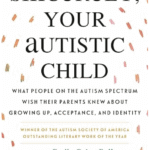
Sincerely, Your Autistic Child
Supports autism acceptance, neurodiversity understanding, and parent education...
Find It >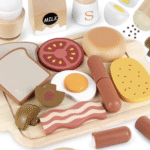
Play Kitchen Set
Best for modeling daily verbs like 'eat' and...
Find It >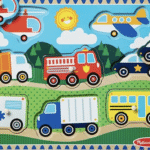
Chunky Puzzles
Encourages pointing, labeling, and fine motor speech precursors.
Find It >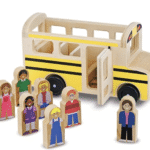
Toy School Bus
Great for modeling social greetings and functional action...
Find It >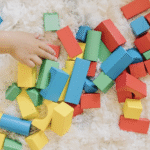
Wooden Blocks
Essential for building joint attention and 'up/down' vocabulary.
Find It >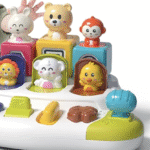
Pop-Up Animals
Builds anticipation and early words like 'open' or...
Find It >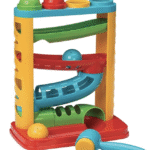
Ball Drop Tower
Perfect for 'Ready, Set, Go' routines and cause-and-effect.
Find It >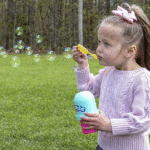
Bubble Wand Set
The gold standard for teaching 'more,' 'pop,' and...
Find It >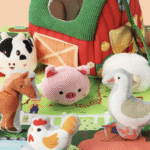
Farm Animal Set
Perfect for imitating sounds and teaching 'in/out' concepts.
Find It >
Hand Mirror
Essential for visual feedback to map mouth movements.
Find It >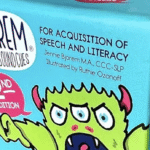
Bjorem Sound Cues
Visual cues that simplify complex motor planning for...
Find It >Play Kitchen Set
Best for modeling daily verbs like 'eat' and...
Find It >Chunky Puzzles
Encourages pointing, labeling, and fine motor speech precursors.
Find It >Toy School Bus
Great for modeling social greetings and functional action...
Find It >Wooden Blocks
Essential for building joint attention and 'up/down' vocabulary.
Find It >Pop-Up Animals
Builds anticipation and early words like 'open' or...
Find It >Ball Drop Tower
Perfect for 'Ready, Set, Go' routines and cause-and-effect.
Find It >You Choose
Open-ended choice-making which encourages expressive language, vocabulary expansion,...
Flashlight: Joint Attention Book for Speech Therapy & Early Language
Supports joint attention and early labeling through interactive...
Spot Goes to the Farm
Lift-the-flap books can build joint attention, turn-taking, and...
Do You Want to Play?: Making Friends with an Autistic Kid
Builds social skills, friendship understanding, and autism awareness...
I See Things Differently: Helping Kids Understand Autism and Neurodiversity
Supports autism awareness, perspective-taking, and social communication development...
Come Meet Drayden: Autism Awareness Book for Speech Therapy & Social Communication
Supports autism awareness, perspective-taking, and social communication development...
My First Book of Emotions for Toddlers: Emotion Vocabulary for Speech Therapy
Supports emotional vocabulary and early expressive language through...
How Children Succeed: Grit, Curiosity, and the Hidden Power of Character
Explores grit, resilience, and executive function skills that...
The Explosive Child (Sixth Edition)
Helps parents manage challenging behavior, emotional dysregulation, and...
Sincerely, Your Autistic Child
Supports autism acceptance, neurodiversity understanding, and parent education...